For six years I worked in LEGO’s Creative Play Lab, developing EARLY-STAGE PLAY & INTERACTION CONCEPTS AND FORMATS
Role: Concept & Play Experience Designer
Focus: Early-stage play, prototyping, iteration, user testing
Context: LEGO Creative Play Lab (innovation environment)
The challenge
How might we create engaging, intuitive play experiences that are easy to access, quick to understand, and invite exploration across different contexts?
Many of the projects focused on lowering the barrier to play—making it more immediate, flexible, and adaptable to children’s changing interests.
Approach
The work was driven by an iterative and hands-on design process:
→ Translating research and behavioural insights into early concept directions
→ Developing and testing ideas through rapid prototyping and iteration across different levels of fidelity
→ Facilitating co-creation sessions and play testing with children across markets
→ Exploring play mechanics, narratives, and interaction patterns through physical and hybrid prototypes
Example project
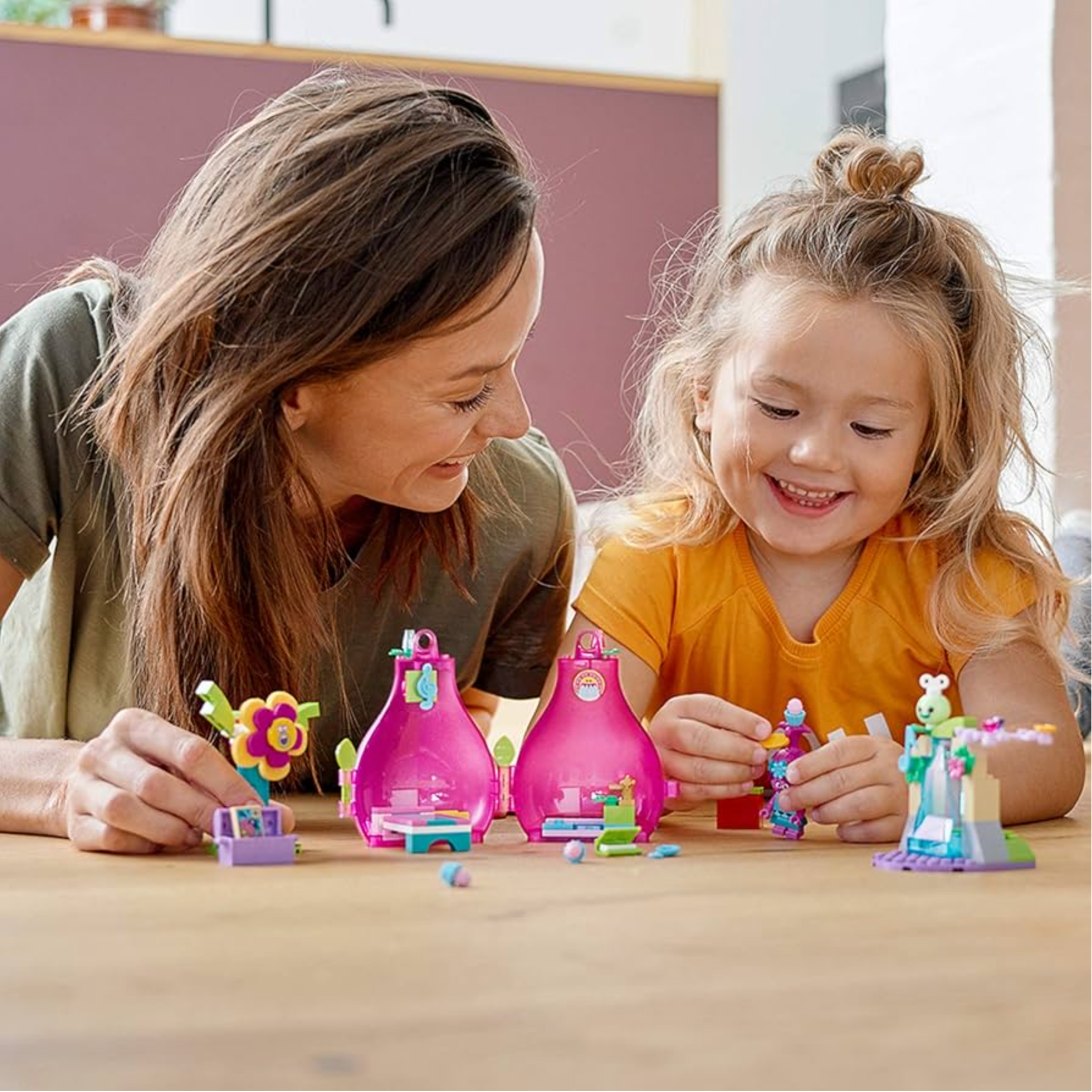
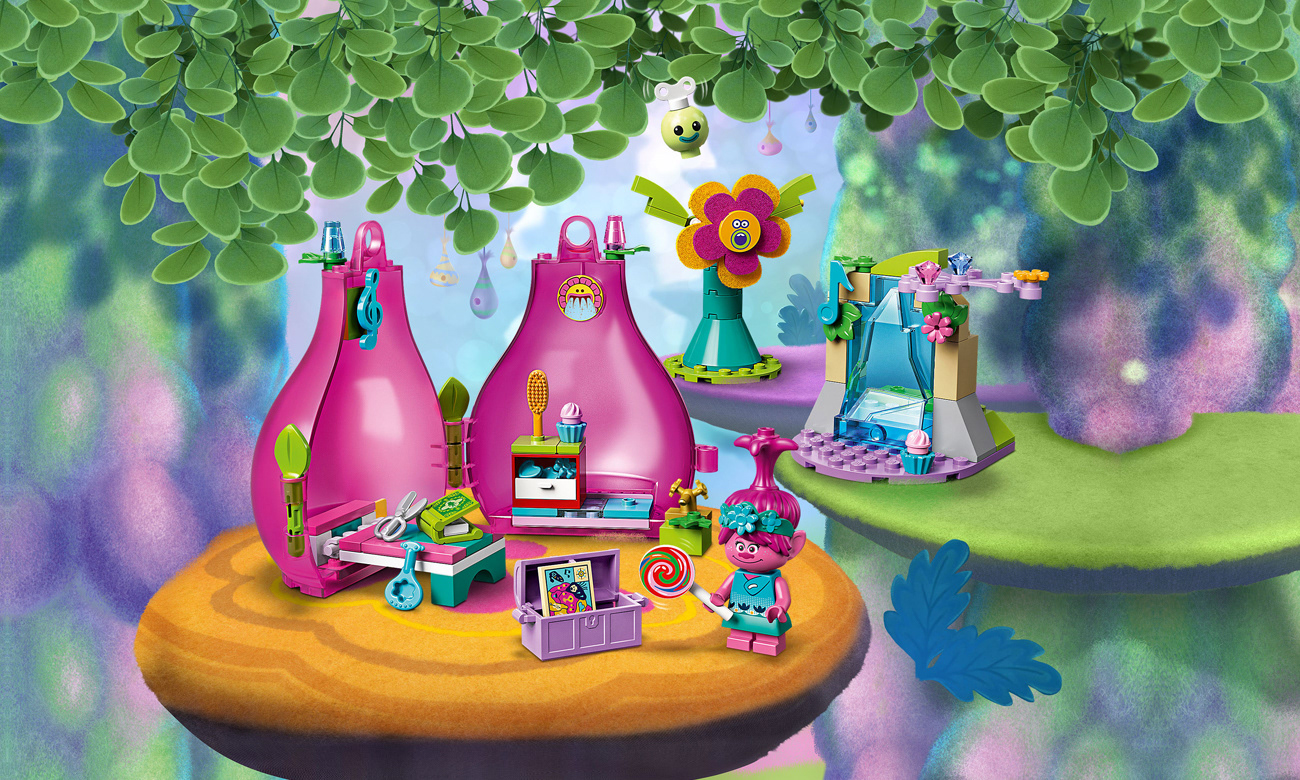
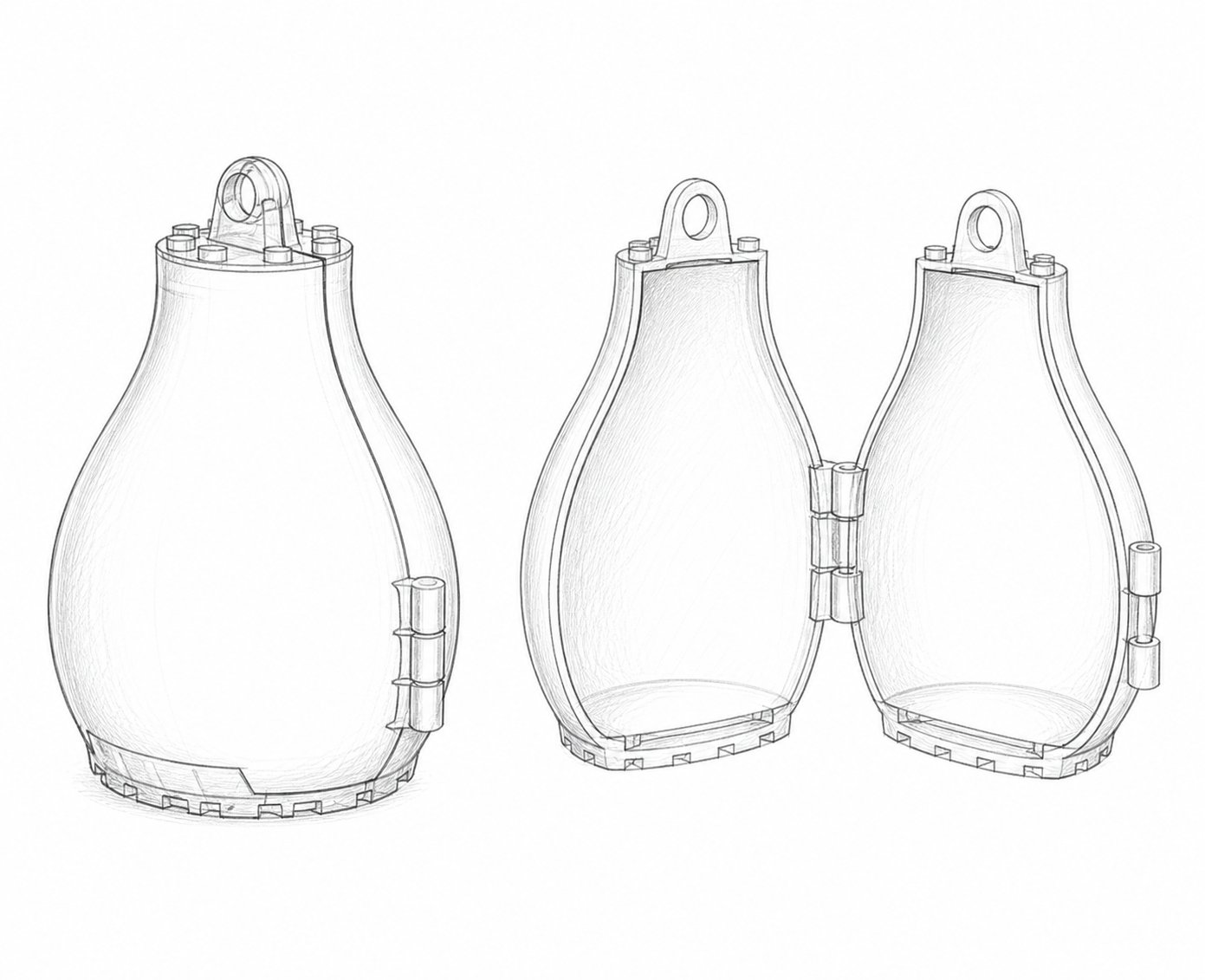
One example is the small character “pod” shown here. The concept was developed as part of an early-stage exploration around new play formats designed to create an accessible entry point.
This idea centred on intuitive play, easy building, and a “play-on-the-go” experience.
While the original project was later discontinued, the core mechanic proved strong and was adapted by another team into the Trolls product line.
Outcome & learning
Across projects, the work contributed to shaping new play directions and generating insights into how children engage with interactive and modular play formats.
A key learning was the importance of testing early and often—using prototypes not only to validate ideas, but to uncover unexpected behaviours and opportunities within play.
Collaboration The concepts were developed in close collaboration with cross-functional teams, combining narrative thinking, play mechanics, and product design.
My role was to drive concept development, facilitate exploration processes, and turn insights into tangible, testable play experiences.
Due to confidentiality, only selected examples from this work can be shown.