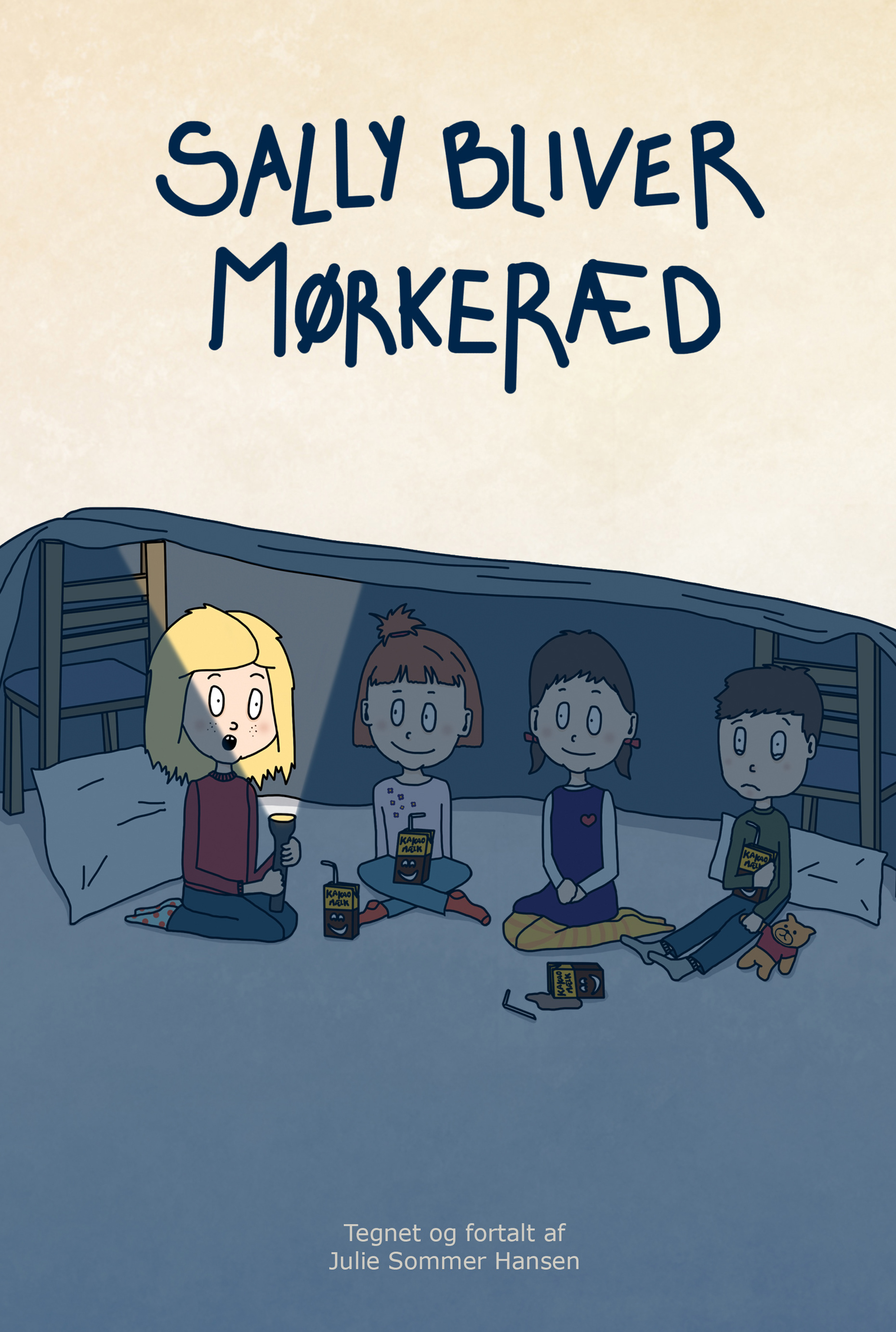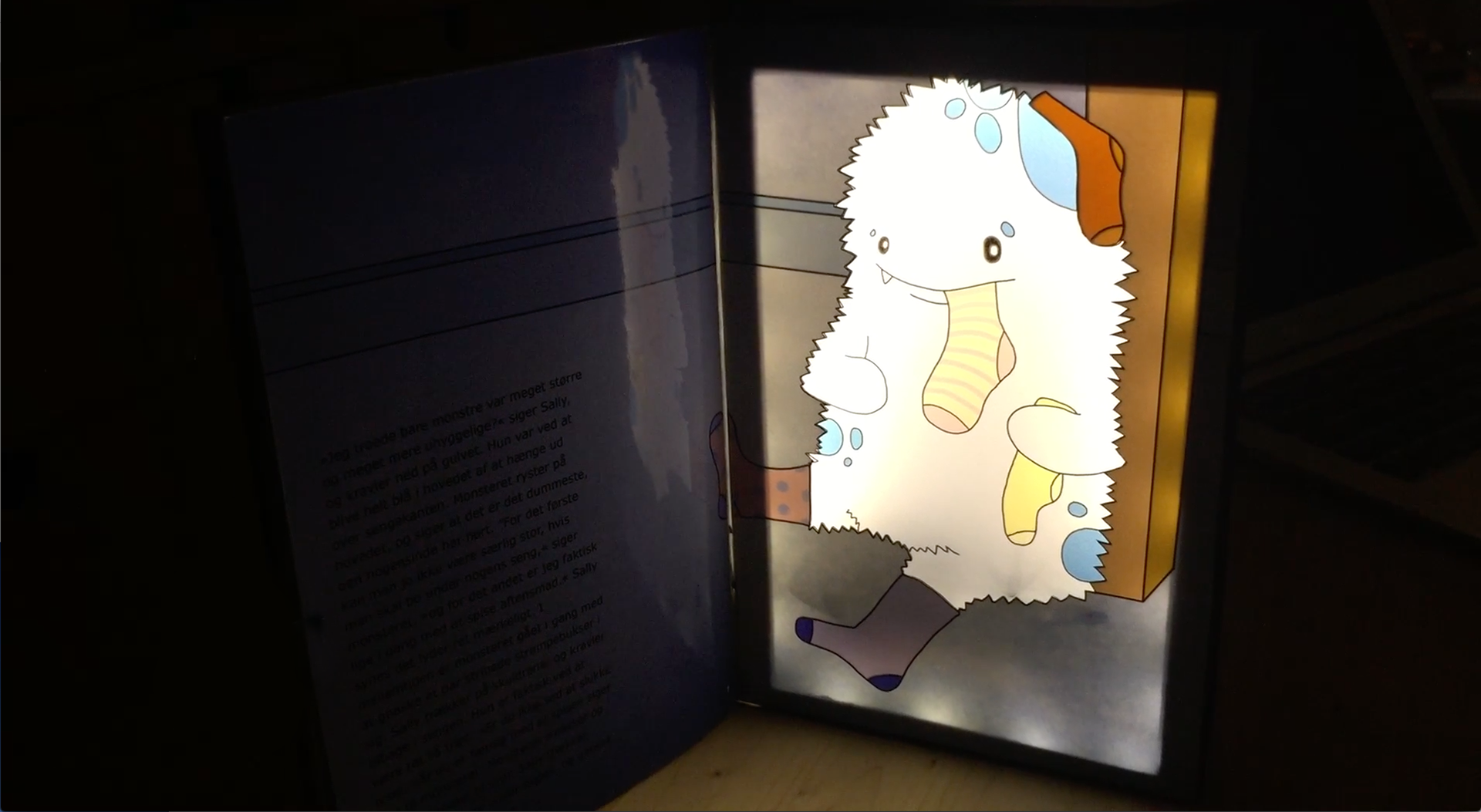
Designing an interactive storytelling experience to support children’s fear of the dark
ROLE: Concept & Interaction Designer
FOCUS: Play, storytelling, prototyping and user research
CONTEXT: Self-initiated project exploring emotional play experiences
FOCUS: Play, storytelling, prototyping and user research
CONTEXT: Self-initiated project exploring emotional play experiences
The challenge
How might we support children experiencing fear of the dark through play and storytelling?
The project explored how interaction and physical artefacts could create a sense of control and safety in moments of fear.
Approach
The project was driven by an exploratory and hands-on design process:
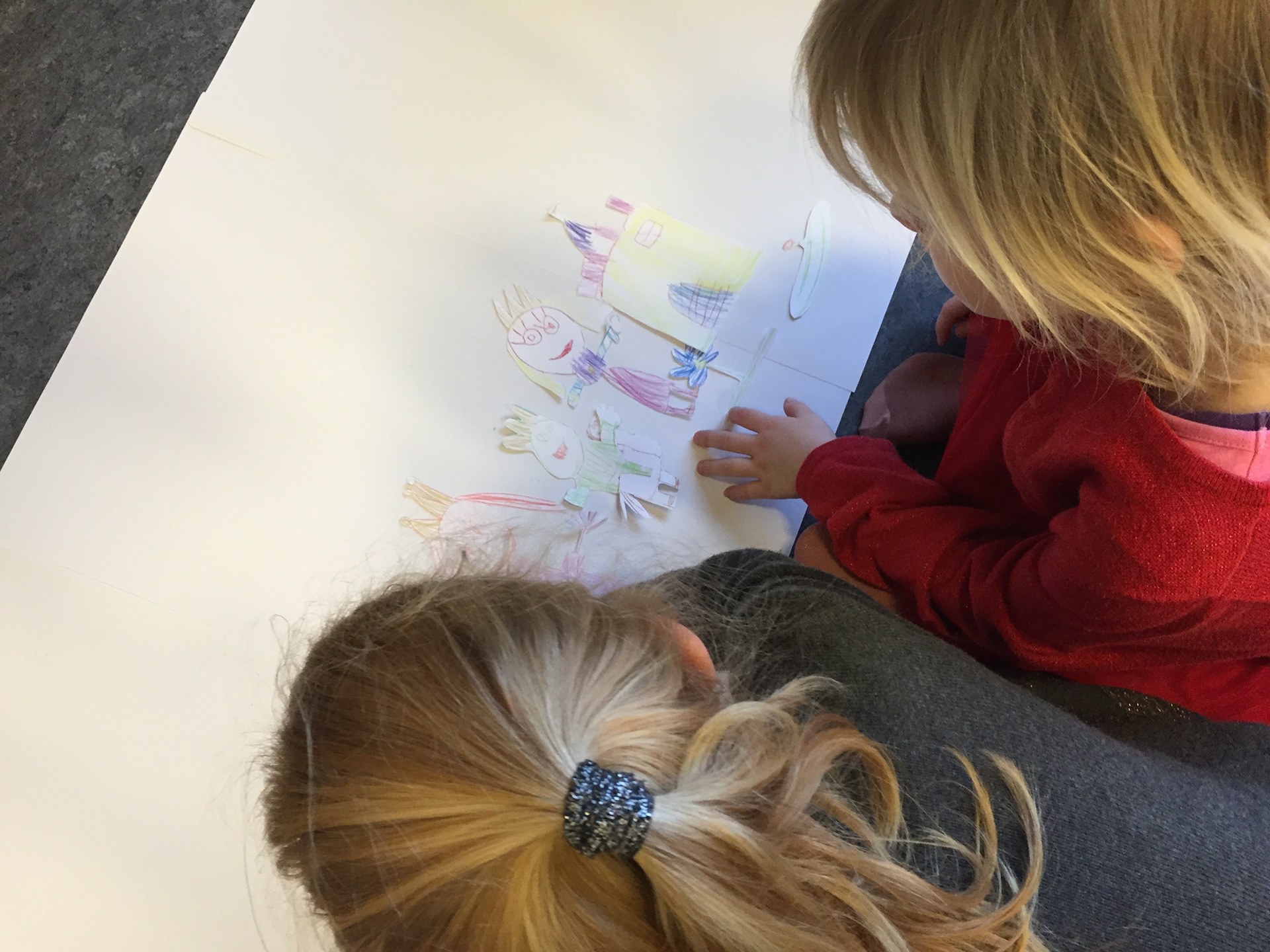
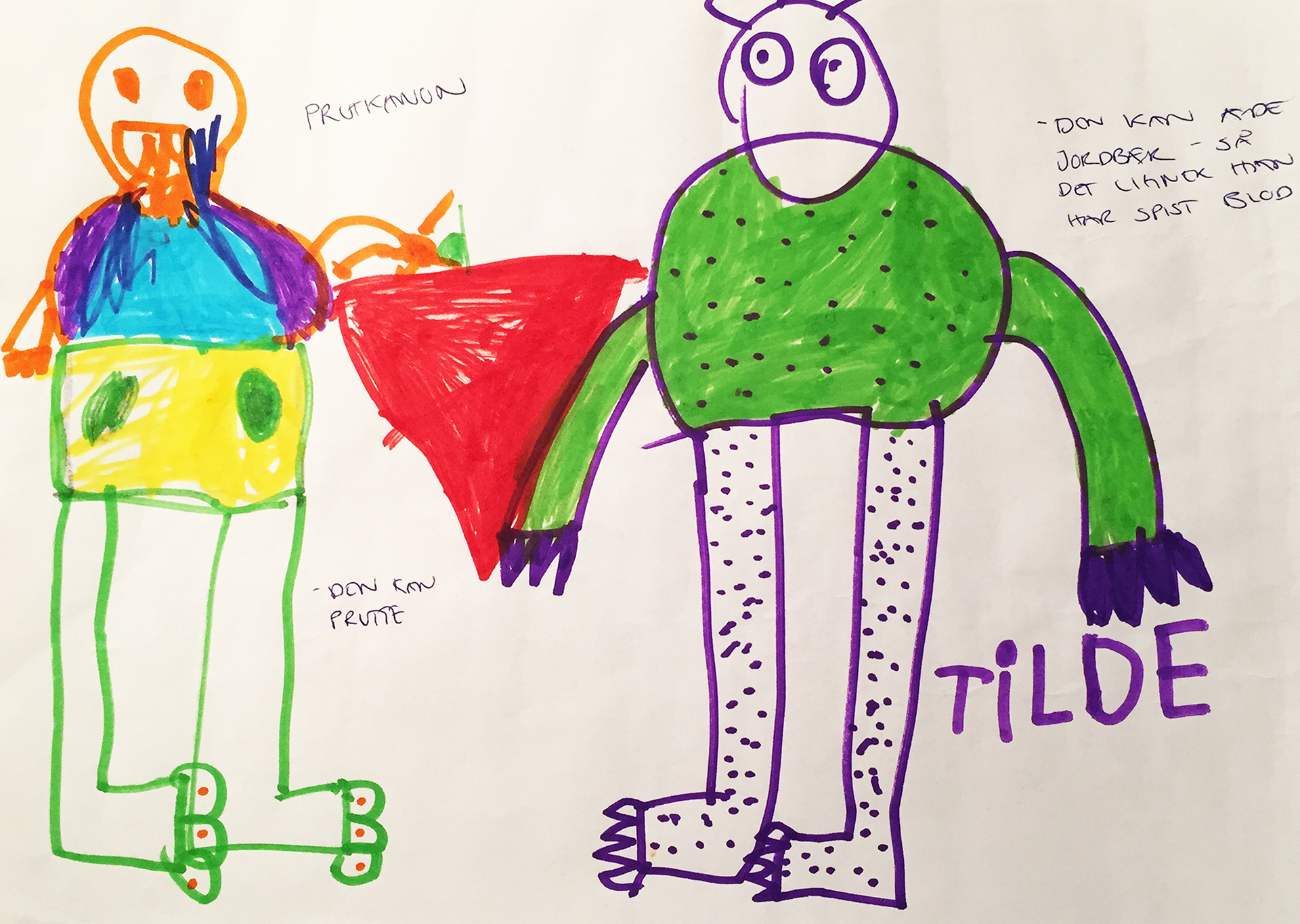
→ Conducting informal research and drawing sessions with children to understand fears and narratives
→ Translating insights into story concepts and interaction ideas
→ Developing a physical prototype combining storytelling and responsive light
→ Using Arduino to create a voice-activated interaction
→ Exploring how narrative, material and interaction could create a sense of control and comfort in moments of fear
→ Translating insights into story concepts and interaction ideas
→ Developing a physical prototype combining storytelling and responsive light
→ Using Arduino to create a voice-activated interaction
→ Exploring how narrative, material and interaction could create a sense of control and comfort in moments of fear
Prototype
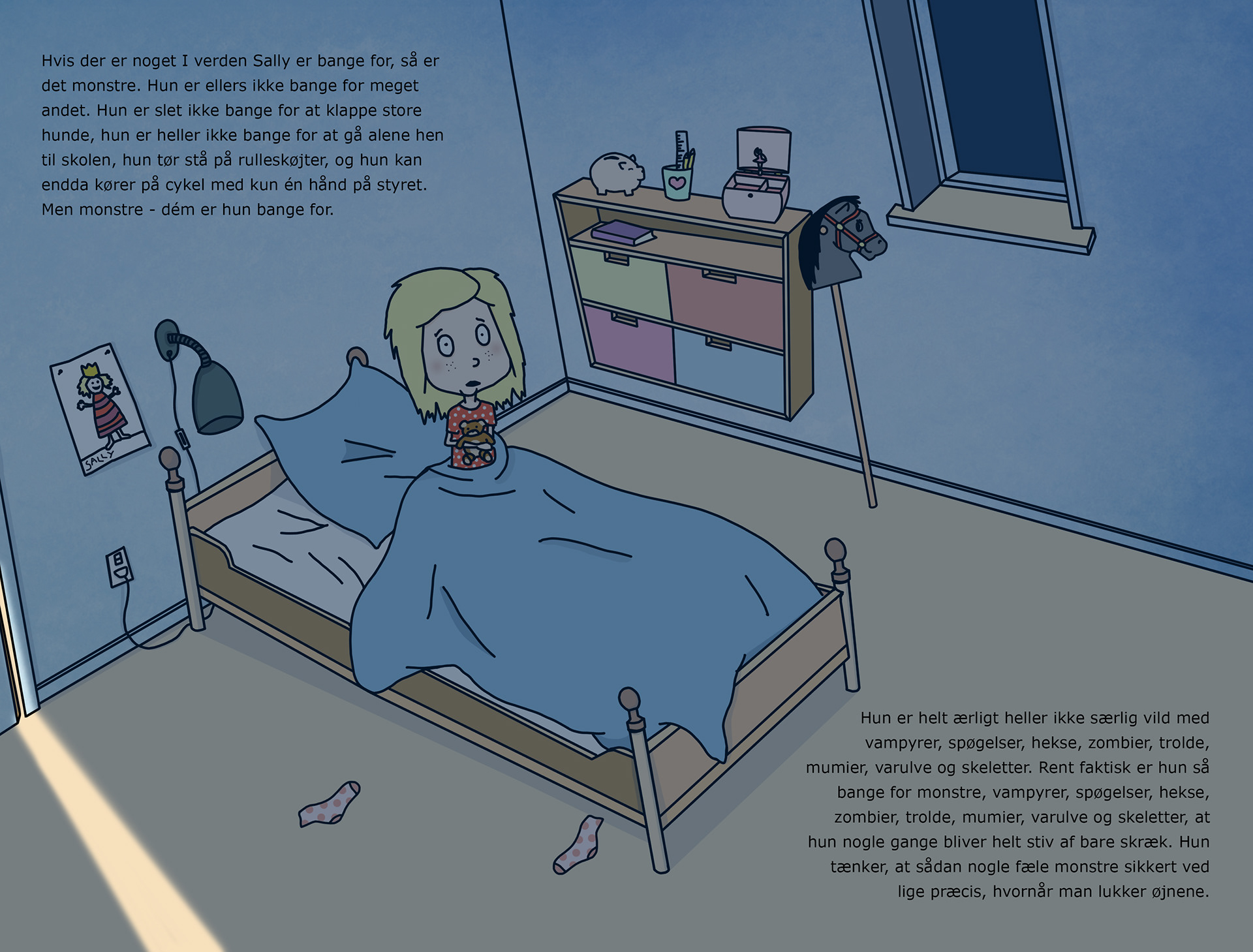
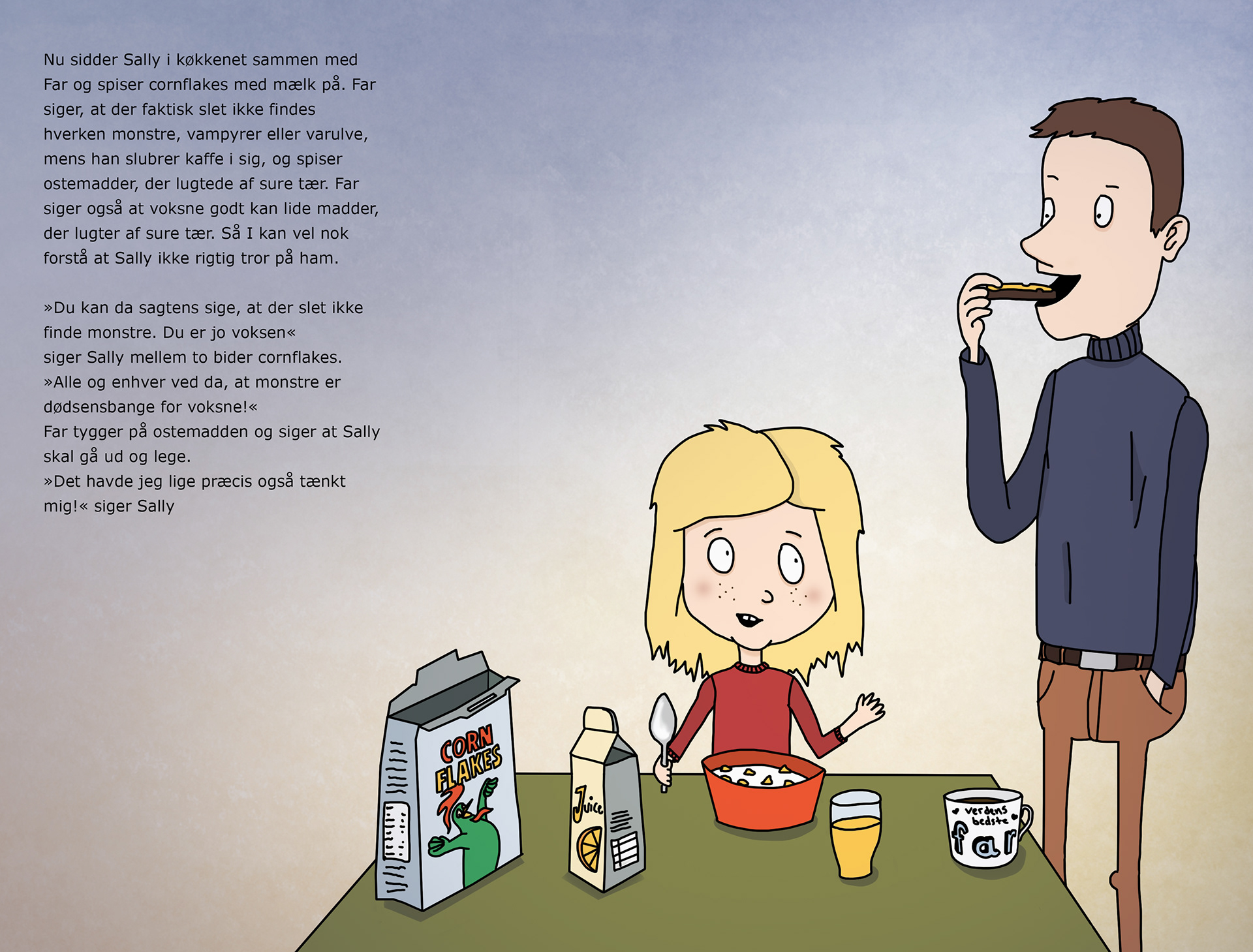
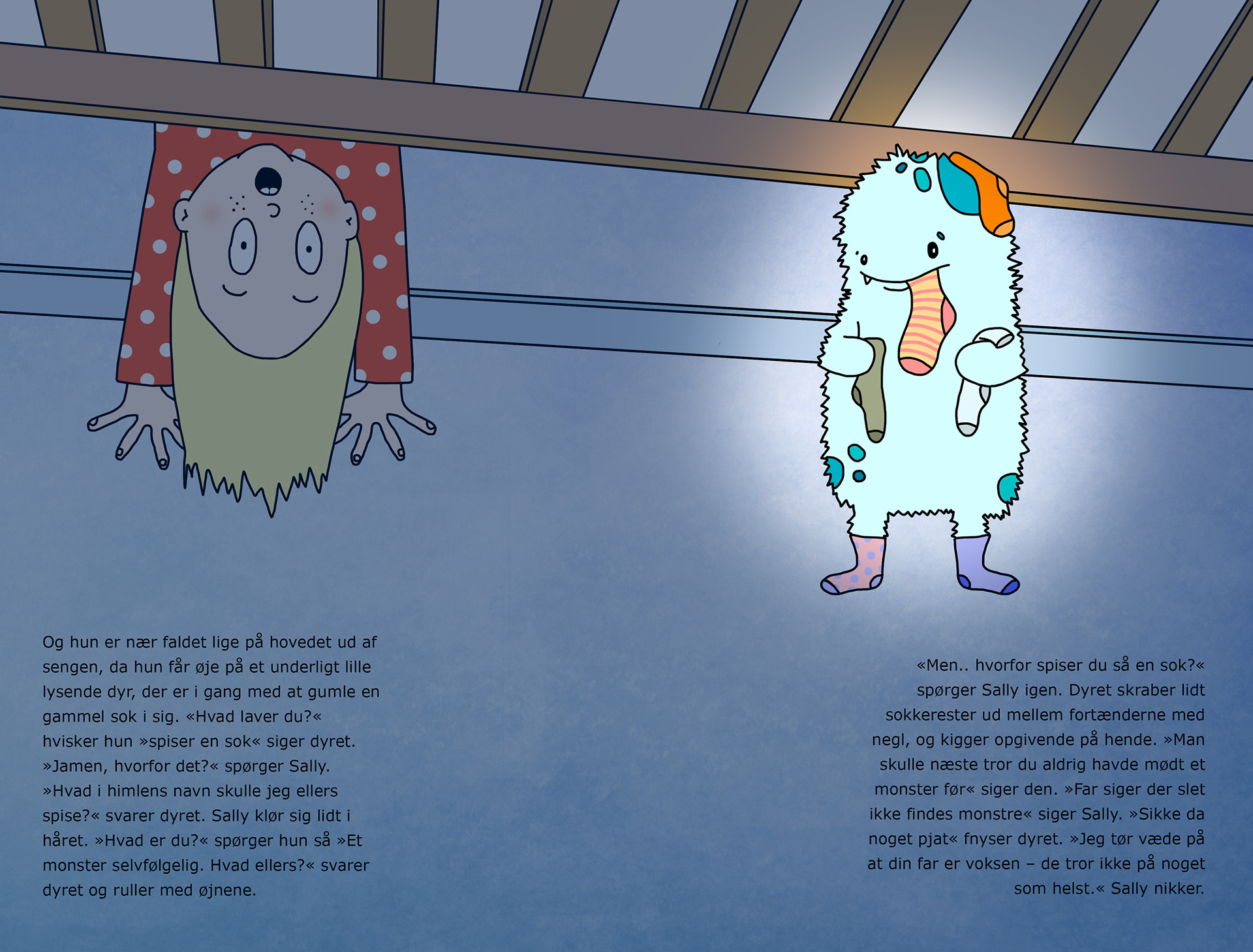
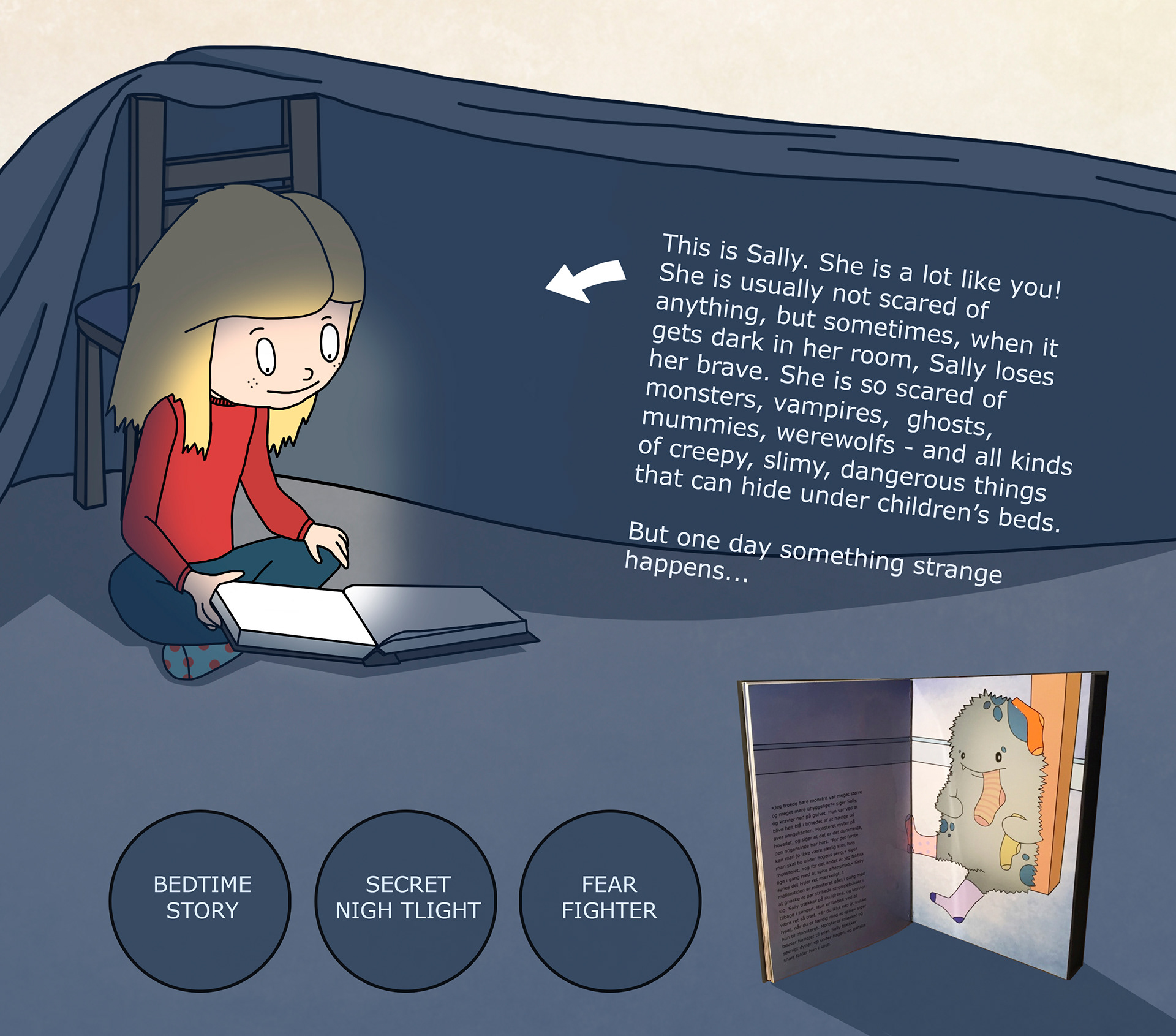
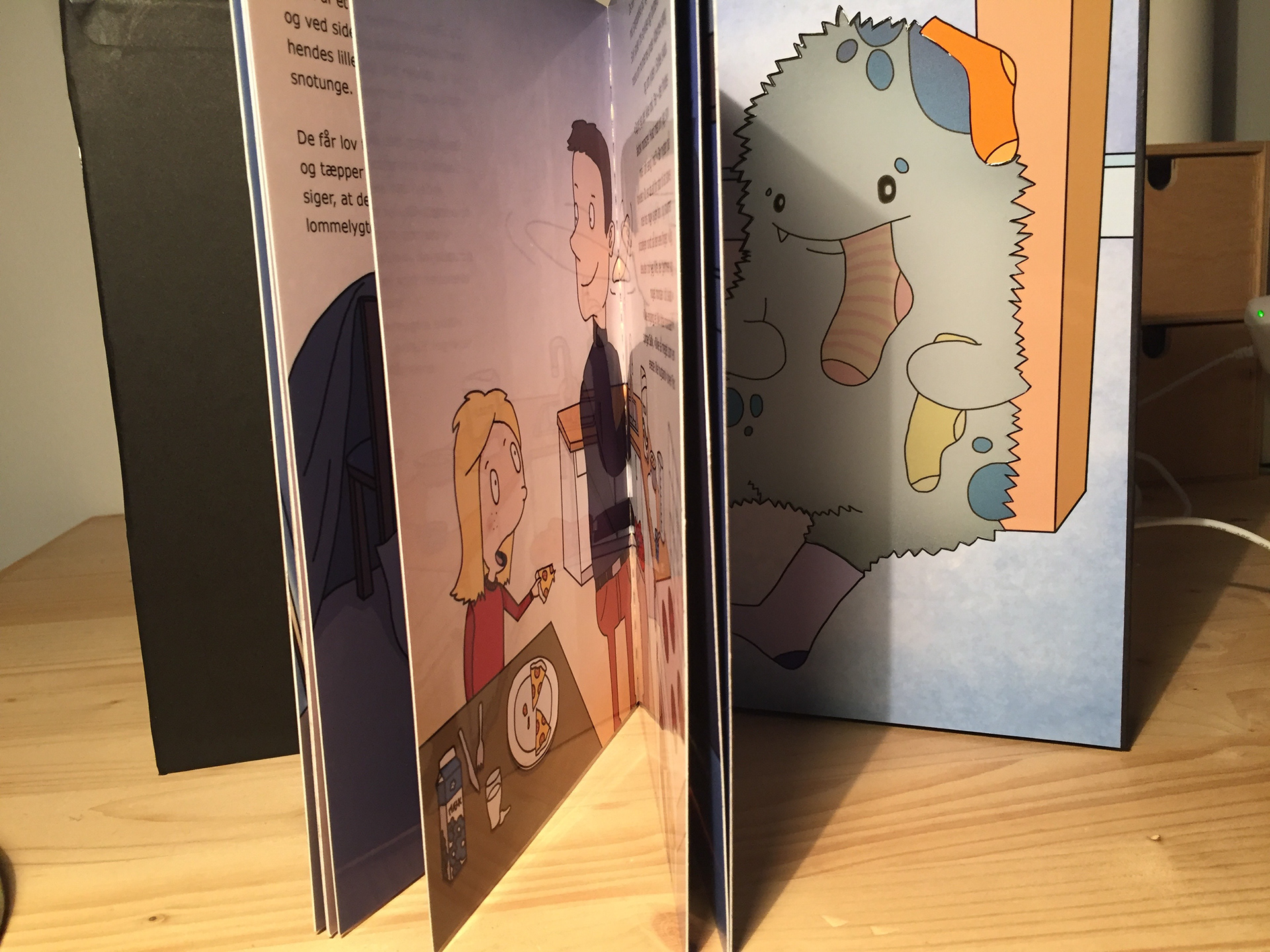
The concept took the form of an interactive book, where light is activated through the child’s voice.
The interaction was informed by exploratory sessions with children, where we used drawing and storytelling to uncover fears, narratives and recurring patterns around being afraid of the dark. A key insight was children’s need for repetition and a sense of control in bedtime situations.
The interaction was designed to give children a sense of agency — turning fear into action through play, by allowing them to activate light through their own voice.
The prototype was built using Arduino, demonstrating how simple technical setups can be used to quickly create testable and responsive interactions.
The book combines narrative, illustration and interaction to explore how storytelling and technology can work together as a comforting and engaging play experience.
Outcome & learning
The project demonstrates an ability to work across research, concept development and prototyping — translating emotional insights into tangible, testable experiences.
It highlights how low-fidelity and exploratory prototypes can be used to investigate new types of play and interaction.
A key learning was how interaction design can support emotional needs — not just functional ones — especially in early childhood contexts.